“I’m just so bored.”
Ruth, 101 years old. Summer 2026.
My grandmother Ruth is 101, almost completely blind and hard of hearing. One day she told me that she felt she was just sitting there waiting to die, and I was heartbroken.
I built this for her. We both love books and poetry, but she found the blind book player too complicated and couldn't hear her smart speaker well enough.
Now our family can easily gift her books to listen to, and send voice notes, poems and articles. She has a player with just three buttons that she can see and understand.

Ruth's screen. Play, Go Back a Bit, Next Book. White on midnight, because that's what she sees best.
Why the gadgets end up in the drawer
Too many buttons
Talking-book players, smart speakers and tablets all assume a steady hand, a good memory and a willingness to learn something new. Someone of ninety wants one thing to press, and for it to do the same thing every time.
Losing the place
Doze off for ten minutes, or knock the wrong button, and the story is gone. Finding it again means asking for help. After a few times, people stop asking, and then they stop listening.
Nobody in the room to fix it
In a care home, or living alone, there's no one to reconnect the wi-fi, find the app or explain the menu. If it goes wrong on Tuesday, it sits there until Sunday's visit.
A player for them, a private page for you
One big button
Runs on any tablet, phone or laptop. Play, Go Back a Bit, Next Book. It never loses their place.


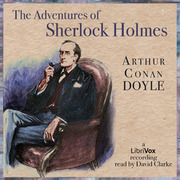

A full shelf from day one
Dozens of classics in British voices, included. Buy more from a shop that lets you keep them.
Your voice, before the story
Leave a voice message, or paste in a poem or an article. They hear it the next time they press Play.
An afternoon's work, then it just runs
Use what you have
Any tablet, smartphone or laptop with a web browser: the old iPad in a drawer, last year's phone. Nothing to install. Prop it by their chair, plug it in, open Reading to Ruth, and it fills the screen.
Set their screen
From the family page you choose how it looks for them: bigger buttons for unsteady hands, high contrast for poor eyesight, and the voice that announces each book. Change it any time, from anywhere.
Fill their shelf
Start with the free library: press once and Persuasion or Great Expectations is on their shelf. When you want more, buy from a bookshop where you pay once and keep the book (Juliet Stevenson's Austen, say). Choose which five are ready to play.
Keep in touch
Record a voice message on your phone, paste in a poem or an article, and glance at the listening diary. Anyone in the family can do it, from any phone or computer.
One payment. No subscription, ever.
- The player, set up on any tablet, phone or laptop you already own, with your choice of contrast, button size and voice.
- The family page for everyone who loves them: books, voice messages, readings, the listening diary. One login, any number of relatives.
- The starter library: dozens of classics in British voices, free to add, theirs to keep.
- Two hours of free text-to-voice messages: paste in a poem, a letter or an article and it's read aloud to them in a natural voice. More is £9.99 an hour, only if you want it.
- Unlimited voice messages, in your own voice, at no cost.
- Help from a person: we set it up with you and stay on the end of an email.
New audiobooks are bought at the shop's own price, typically £10–£25 for a classic read by a well-known actor, and they belong to you, not to us.
Things families ask us
Do we need to buy a device?
No. Reading to Ruth is a website, so it runs on any tablet, smartphone or laptop with a web browser, including an old iPad from a drawer or last year's phone. Prop it up, plug it in, open the page and it fills the screen. A simple stand and a charger are the only things worth buying.
Is it an app? Does anything need installing or updating?
Nothing to install, nothing to update, no app store. When we improve something, it's simply there the next time the page is opened. A carer can add it to the home screen so it opens like an app.
Does it need wi-fi?
Yes, the books play over the home's or the care home's wi-fi, the same as a radio app. The player remembers the place in every book on the device itself, so if the connection drops, it picks up exactly where it was when the wi-fi returns.
What if they press the wrong button?
There are only three, and none of them can get lost. Play pauses and resumes, always stepping back twenty seconds so the thread is never lost. Go Back a Bit rewinds half a minute. Next Book moves to the next story and keeps the place in the one it left, so nothing is ever abandoned by mistake.
What about hearing?
It plays through the device's own speaker, a plug-in speaker, headphones, or a hearing loop if the room has one. The announcement voices are clear British voices at an unhurried pace, and volume is set once by the family or a carer.
Who owns the books?
You do. The starter library is public domain, and anything you buy comes as files you own, from a shop that lets you keep them. If you ever leave, we hand your files back. Nothing is rented.
Can several of us use the family page?
Yes. One family page, one login shared among as many relatives as you like, from any phone or computer, anywhere in the world. Voice messages say who they're from, so a grandchild in Sydney and a daughter in Leeds can both leave one the same day.
Can it read the newspaper to them?
Yes. Paste an article, a letter or a poem into the family page and it's read aloud in a natural voice, then delivered like a voice message: "First, a reading from Tom." Two hours are included; a poem takes two minutes, a long feature about ten.
Is it private?
The family page is protected by a PIN you choose. Voice messages and readings are stored for your listener alone, never shared or used for anything else, and there are no advertisements anywhere. The listening diary is visible only to the family.
Why not Alexa or Audible?
Smart speakers need the right words said the right way, and are hard to hear clearly. Audible rents books inside its own app and locks the files, so they can't live on a simple player. Reading to Ruth has one button, no menus, no voice commands, and books that are yours.
What happens if we stop, or when they die?
Nothing to cancel, because there's no subscription. Tell us and we'll quietly take the player down, send the family the voice messages and any books they bought, and delete the rest. It should feel like closing a book, not ending a contract.
Can a care home use it?
Yes. It works on the home's tablets, and carers can adjust the screen without a login. If you run a home and would like it for several residents, ask about our arrangements for homes.
Fair to the listener. Fair to the people who make the books.
Reading to Ruth is the first thing from Fairly Told. The books you buy are yours to keep, so nothing vanishes if a subscription ends or a company loses interest. The books you buy come from a shop that pays narrators and authors properly and shares its takings with independent bookshops. The free library is drawn from recordings that generous volunteers gave to the public domain; we listen to every one and keep only the readers who could sit beside the professionals. In time we hope to commission readings of our own, and pay the narrators a share each time they're heard.
Is there someone you'd like to read to?
Tell us about the person you have in mind: what they used to read, what has been tried, what got in the way. We'll reply within a day, set the player up with you, and be honest about whether it's right for them.
Reading to Ruth is new. We set each family up personally, and we'd rather have a conversation than a checkout.